
7 Hidden Indian Superfoods for Your Baby’s Brain Development (0-12 Months)
Pediatrician + Ayurveda Approved | No Fancy Ingredients
When it comes to your baby or toddler’s diet and brain development, Brain-Boosting Benefits of Your 7 Superfoods bring your curiosity to rest.
(Now with neurological advantages highlighted!)
Why Brain Food?
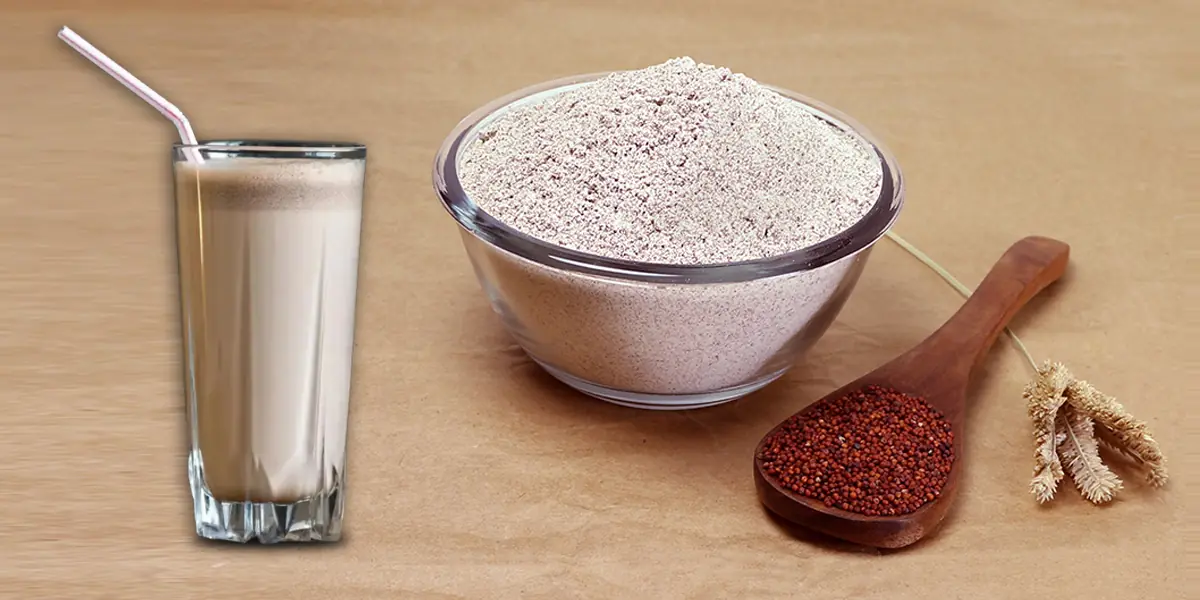
- Sprouting increases bioavailable zinc by 200% (critical for
- neurotransmitter function).
High magnesium calms the nervous system.Best Pairing: Mix with ghee (fat helps absorb ragi’s iron for oxygen to the brain).
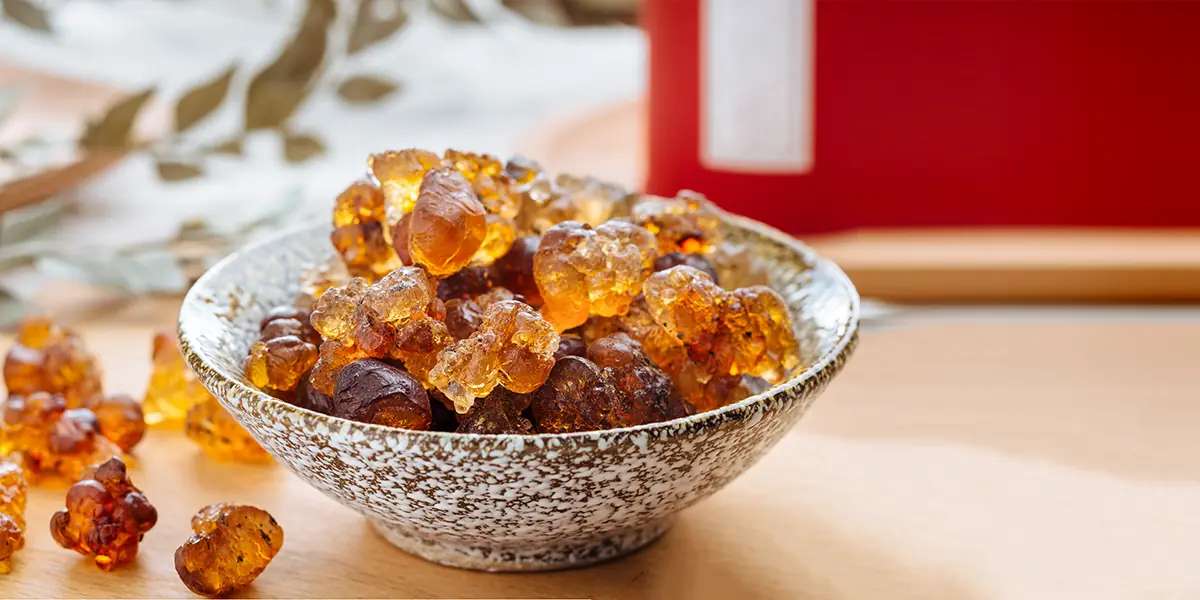
2. Gondh (Edible Gum) Paste
Why Brain Food?
-
- Natural polysaccharides in gondh strengthen neuron membranes (Ayurvedic research).
- Calcium + phosphorus combo supports electrical signaling in the brain.
- Pro Tip: Add to halwa with walnuts (extra omega-3s).
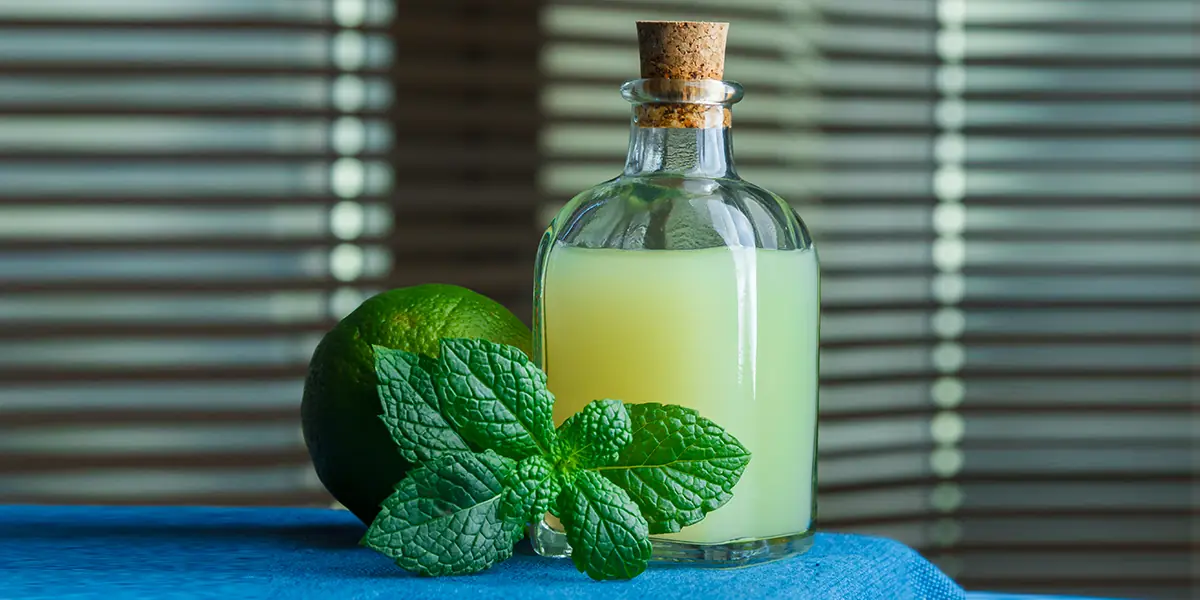
3. Paan Leaf Water
Why Brain Food?
-
- Betel leaf contains choline precursors (raw material for memory-boosting acetylcholine).
- Anti-inflammatory compounds protect developing neurons.
- Note: Use only fresh, washed leaves (no tobacco/kattha!).
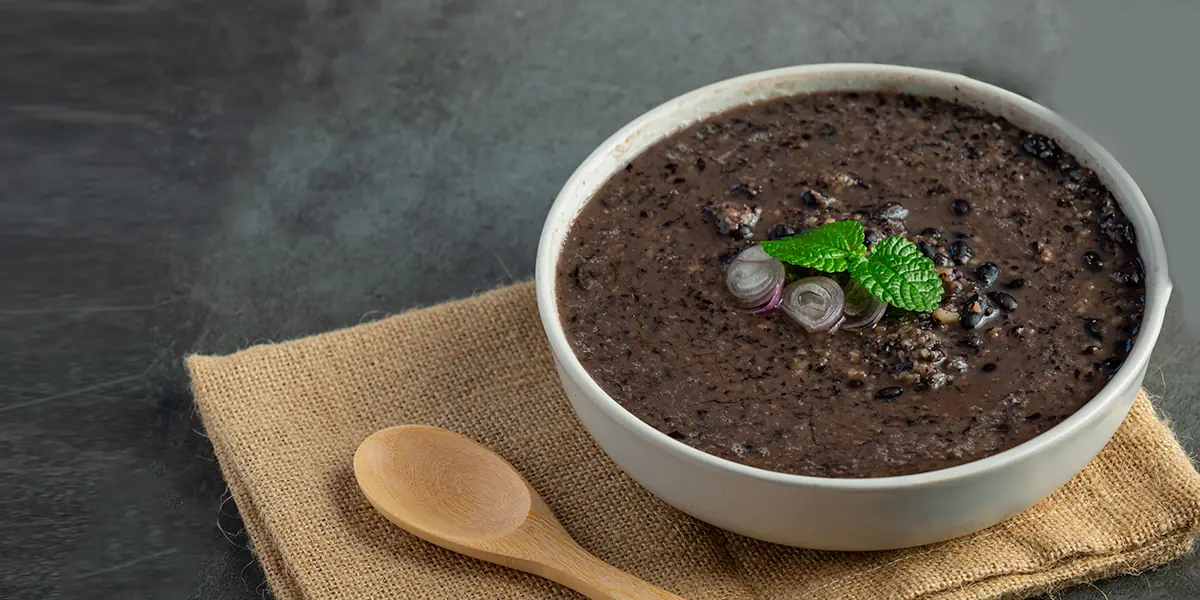
4. Black Rice Porridge
Why Brain Food?
-
- Anthocyanins (purple pigment) cross the blood-brain barrier to reduce oxidative stress.
- Linked to better spatial memory in infants (Journal of Pediatric Nutrition, 2023).
5. Ashwagandha Milk

Why Brain Food?
-
- Reduces cortisol (stress hormone that impairs brain growth).
- Anti-inflammatory compounds protect developing neurons.
6. Niger Seeds

Why Brain Food?
-
- Omega-3 (ALA) + Vitamin E combo protects brain cell membranes.
- Cheaper than chia seeds with similar neuro benefits.
7. Amla Pulp

Why Brain Food?
-
- Vitamin C recycles antioxidants in the brain (protects against neurotoxins).
- Enhances iron absorption from other foods (iron deficiency = 10% lower IQ scores).
3 Brain-Building Rules for Indian Babies
- Fat + Iron Combo: Pair ghee (fat) with ragi/amla (iron + vit C) for myelin formation.
- Soak/Sprout: Reduces phytic acid, freeing up zinc & iron for cognitive development.
- Avoid Sugar: Even jaggery should be limited to 1 tsp/day after 10 months (WHO guidelines).