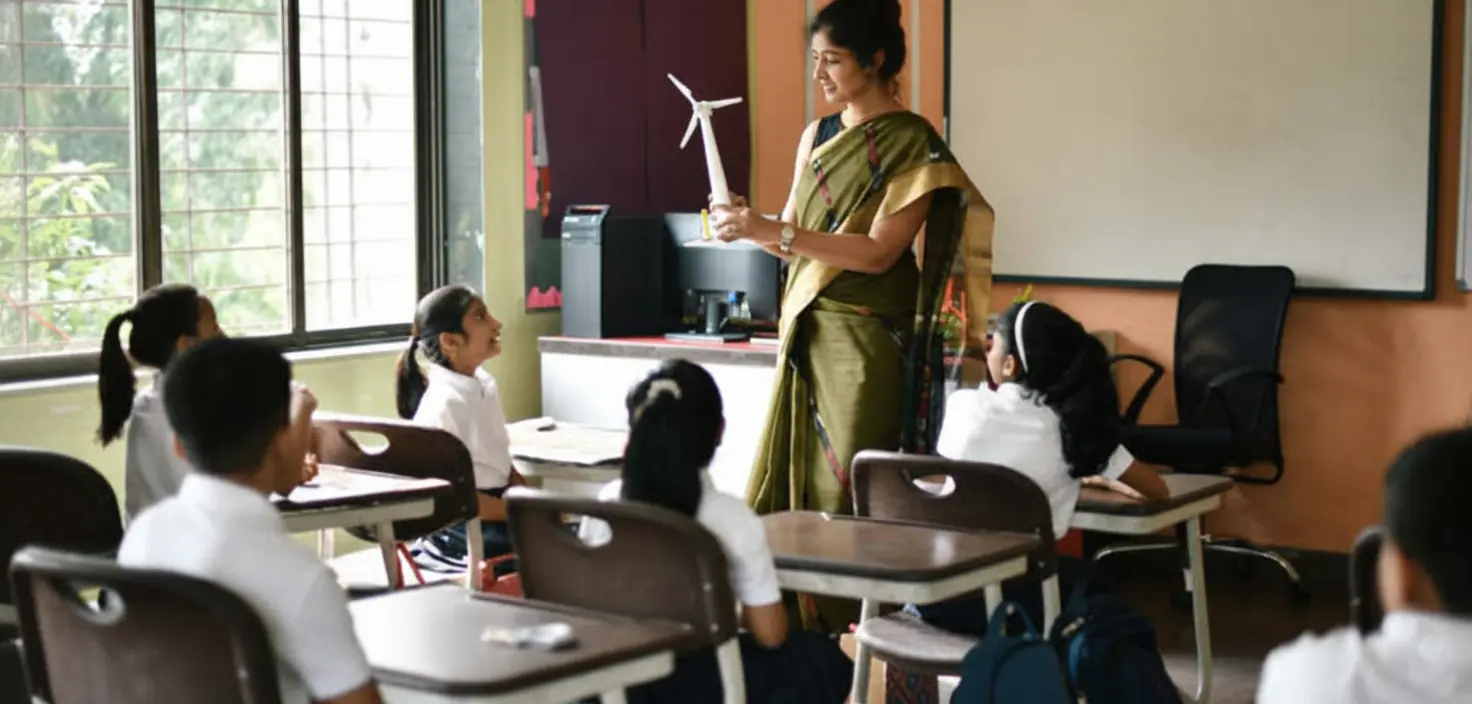
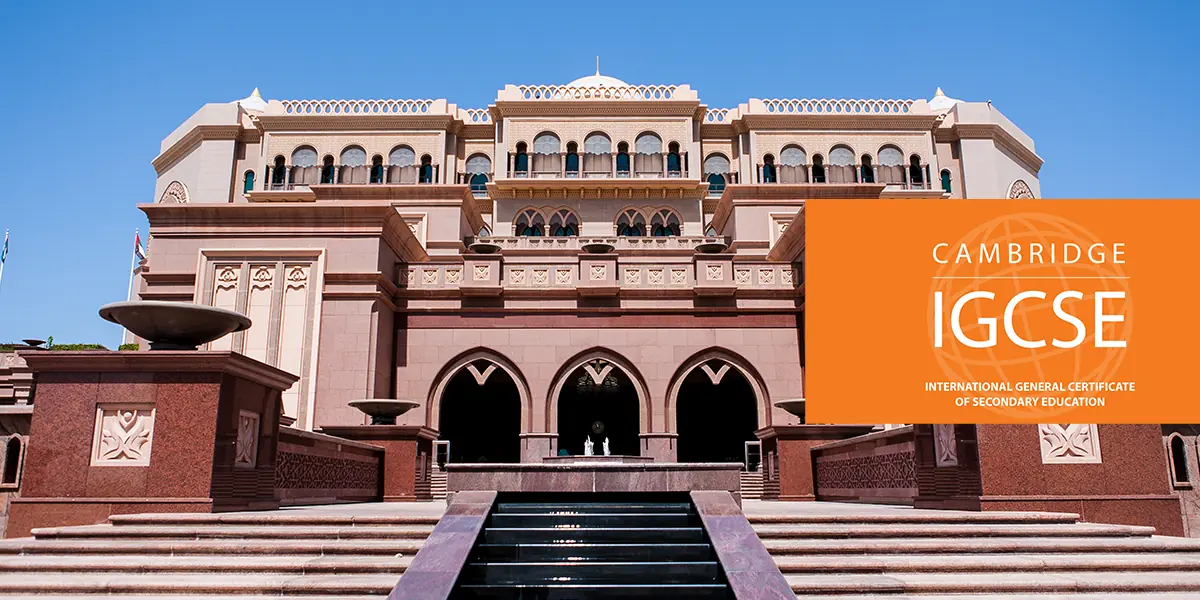
What Is IGCSE Board in India and What Are Its Benefits for Students?

IGCSE Board 3
0 comments

Selecting an appropriate curriculum is a challenging decision for parents and students today.

At least I understand this baffling situation, and a lot of first-time parents have the same kind of concerns, like which education board sets the best standards and comes up fair when it comes to the overall AI atmosphere.

As global exposure is necessary to meet changing learning needs, many families are seeking answers to what is IGCSE Board in India and whether it truly endorses futuristic academics.

Located in the middle of North India, I knew that two education boards that are the least argumentative are CBSE and ICSE, but the one that most people have never heard of (unless they go looking for it) is the International General Certificate of Secondary Education (IGCSE).

This board has earned a name for its practical approach, emphasis on understanding rather than routine learning, and relevance in an increasingly international environment.

For those students who enjoy investigating, questioning, and relating ideas to real-world scenarios, the IGCSE structure tends to feel more organic than the regular exam-based systems.

Why IGCSE is Gaining Popularity Among Indian Parents

Many families nowadays choose a curriculum that encourages students to think on their own rather than following a set pattern. That is where the IGCSE framework appeals, as it provides an adaptable learning environment based on comprehension and real-world application.

See also  5 MUST READ MORAL STORIES FOR KIDS TO START WITH

Key characteristics that attract parents include:

  • Less rote memorization and more concept clarity.
  • More subject choices tailored to different ways of learning.
  • A balanced assessment instead of one final exam.
  • Exposure in line with global academic requirements.
  • Focus on communication, reasoning, and practical skills.

These qualities help students feel more prepared for various learning paths.
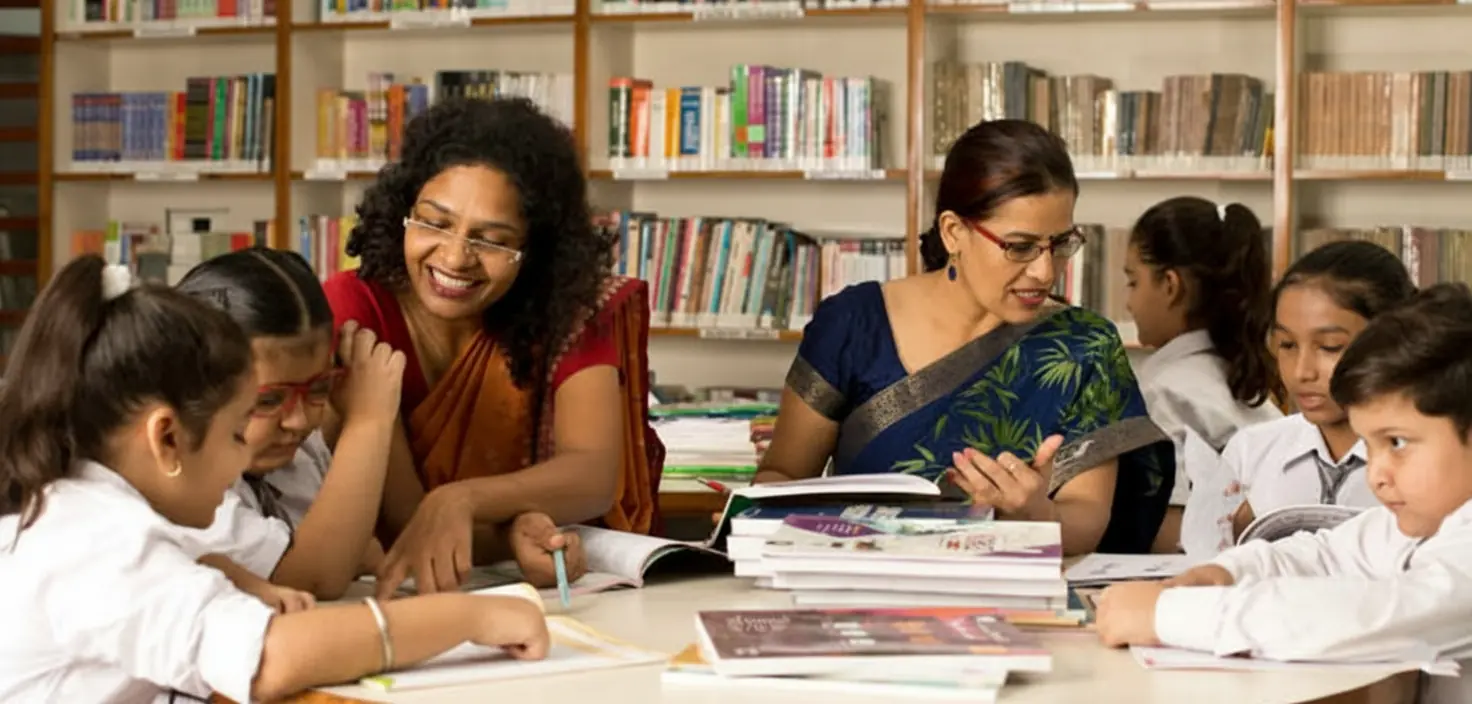
IGCSE Board 1

The Educational Philosophy of the IGCSE Curriculum

To know what is IGCSE Board in India, it would be better to understand the pattern of the curriculum. It is designed in such a way that it motivates students to be inquisitive in every topic and not rote learn big chapters for one exam.

Core strengths of the framework include:

  • Multi-staged evaluations, e.g., written, oral, practical, and coursework-based.
  • Concentrate on learning how and why things work.
  • Revised subject content to reflect current learning needs.
  • Cultivation of the analytical mind and problem-solving skills.
  • Freedom to decide which two subjects to take.

This approach enables students to build learning confidence over time.

How IGCSE Differs from Mainstream Indian Boards

In India, parents usually compare IGCSE vs CBSE while making their education decisions. The only difference is in the way that they teach and assess students, not in the value of the board.

The key distinctions include:

  • CBSE is a rigid and theoretical system, whereas IGCSE has a broader syllabus and is more application-oriented.
  • CBSE is good preparation for Indian competitive exams; IGCSE is ideal for worldwide academic paths.
  • IGCSE syllabuses frequently include practical knowledge and coursework.
  • Challenges based on the subjects taken and the depth are there to varying degrees.
  • Assessment is different so that students can show how well they have learned in different ways.
See also  IGCSE vs CBSE: Choosing the Right Academic Path

Both boards have strengths — the right choice depends on the student’s learning style.

 Where IGCSE Fits Within India’s Current Education Landscape

The surge of global opportunities has led a lot of parents to look for options that would be in line with wider academic expectations. With increasing awareness about what is IGCSE Board in India, parents are now beginning to understand how it helps in raising flexible, ready-for-the-future students.

Reasons it fits well today include:

  • Prepares students to go abroad or to attend global universities.
  • Promotes critical thinking and creativity.
  • It serves students well who are seeking niche subjects or who take non-traditional educational paths.
  • Ideal for kids who do not like heavy memorization.
  • Confident through continuity in assessment style.

This gives learners a steady pace of growth rather than pressure-driven progress.

IGCSE Board 2

 Which Students Benefit Most from the IGCSE System?

Not all children learn the same way, and that is why it is important to determine the needs of a student before selecting any board.

Students who match well with IGCSE include those who:

  • Opt for active, discussion-based learning methods.
  • Have a curiosity for other subjects, not just the standard set.
  • Better leave with practical examples than long theory chapters.
  • Desire more coverage for their prospective global studies.
  • Passion for investigating questions on one’s own initiative.

This helps parents make a more aligned and informed decision.

Conclusion

Knowing what is IGCSE Board in India enables parents to realize how it is more than just a curriculum but a way of learning that is grounded in clarity, inquiry, and global significance.

Its rigorous assessments, subject choice flexibility, and practical ethos make it a solid choice for students seeking a more open-minded approach.

See also  Are You Ready With Necessary Documents For Your Child’s Preschool Admission

CBSE is still best suited for the traditional academic route and competitive exam preparation, while IGCSE provides a more varied, application-oriented learning experience.

The decision between the two or more, i.e., CBSE vs ICSE vs IGCSE, comes down to the student – what works for them, their strengths, what are their goals, and how comfortable they are with different teaching styles.

Ultimately, the best curriculum is the one that supports a child’s long-term growth with confidence and stability.

1. What is IGCSE Board in India?

IGCSE Board India is an international education system that, among its features, promotes the application of subject content, the development of critical thinking skills, flexibility of subjects, and is recognized by universities across the world.

2. How is IGCSE different from CBSE?

IGCSE promotes hands-on, analytical education, and CBSE follows a well-defined, theoretical-based curriculum that aligns with Indian competitive examinations.

3. Which is harder: IGCSE or CBSE?

The CBSE seems tougher for theory-based studying; the IGCSE seems tougher for analytical writing and project work. Like all learning, it depends on the child’s style of learning.

4. Is IGCSE accepted for higher studies in India?

Yes. IGCSE is accepted in India and promotes skill-based learning, although CBSE is more aligned to exams such as JEE and NEET.

5. Who should choose the IGCSE board in India?

In India, IGCSE aspirants are at an advantage due to their teaching methodology, which focuses on a conceptual, application-based learning approach and also has a wide variety of streams.

6. Does IGCSE help build long-term skills?

Yes.  IGCSE fosters logical thinking, interpersonal interaction, problem-solving, and research abilities, preparing pupils for life beyond tests.

0 comments

AUTHOR BIO

Welcome all the lovely ladies and especially those generous men who may have landed here looking for some solution or ideas or any sort of info to help their better-halves. Read More…

Related Posts

Leave a Comment

Your email address will not be published. Required fields are marked *

Being Mom & More

Parul Garg
Parul Garg

Welcome all the lovely ladies and especially those generous men who may have landed here looking for some solution or ideas or any sort of info to help their better-halves. Read More…

share your experience

Coloring Pages That Your Little One Will Simply Love

Worksheet.link Worksheet