Skin Care Essentials vs Specialty Products: 7 Differences Decoded
If there’s one thing motherhood taught me (apart from patience and multitasking), it’s this: you don’t need everything to take care of yourself — you need the right things.
Skincare is no different.
At some point, most of us stand in front of a shelf — physical or online — wondering Do I really need this? A serum for every concern, masks for every mood, boosters, ampoules, supplements… It’s overwhelming. And honestly, for a long time, I thought skipping skincare altogether was easier than figuring out what actually mattered.
That’s when I learned to separate skin care essentials from Specialty Products. Once you understand this difference, skincare becomes simpler, more effective, and far less stressful.
Let me break it down the way I wish someone had explained it to me.
1. Purpose: Survival vs Enhancement
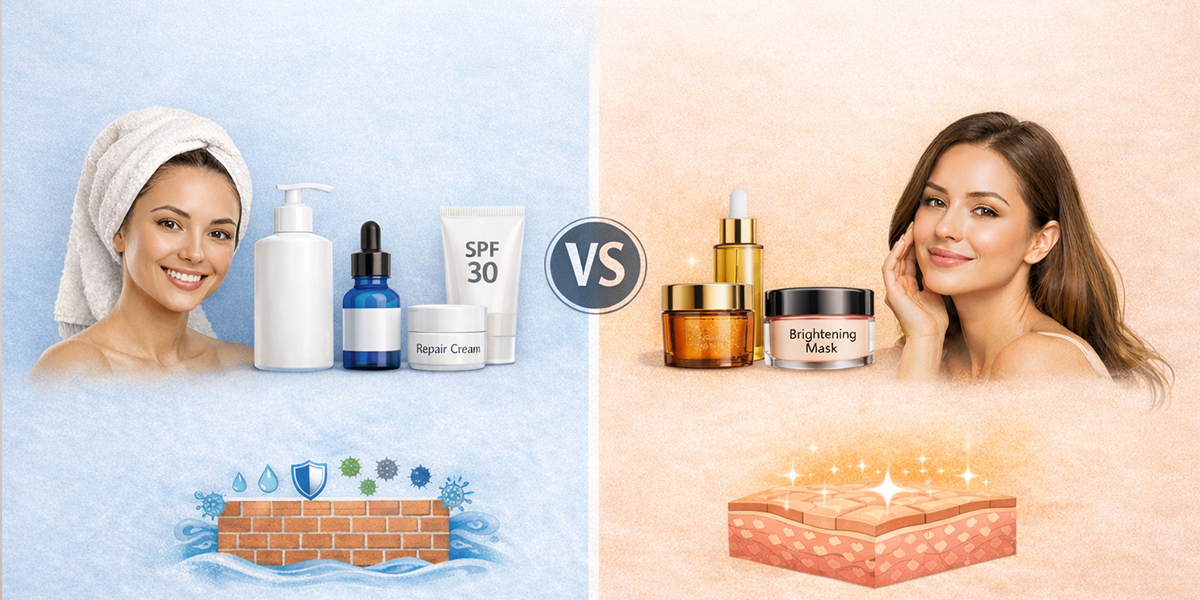
Skin care essentials exist to keep your skin healthy and functional.
They support basic skincare routine needs like cleansing, hydration, protection, and repair.
Think of them as non-negotiables — your skin relies on them daily.
Specialty Products, on the other hand, are about enhancement. They target specific concerns like glow, pigmentation, fine lines, or instant results. Helpful? Yes. Necessary? Not always.
From a skin science perspective, the skin’s primary job is to act as a barrier — protecting you from water loss, pollution, and microbes. Essentials support this barrier. Specialty Products are built on top of it.
2. Frequency: Daily Use vs Occasional Use
When building a routine for skincare for beginners, understanding how often to use products is essential for maintaining healthy skin.
Essentials are used every single day, often twice a day.
Cleansers, moisturizers, and sunscreens fall into this category because skipping them directly affects skin health.
Specialty Products are intermittent.
You might use a face mask once a week or a treatment serum for a few months — and that’s perfectly fine.
This distinction matters because daily consistency impacts skin far more than occasional intensity. No once-a-week product can undo daily neglect.
3. Skin Dependence: Universal vs Conditional
Here’s a simple truth:
Every skin type needs essentials.
But not every skin needs Specialty Products
Dry, oily, sensitive, combination — all skin requires cleansing, moisturizing, and sun protection. These are biologically universal needs.
Specialty Products depend on:
- Age
- Hormonal changes
- Climate
- Stress levels
- Specific skin concerns
For example, not everyone needs exfoliating acids or brightening boosters. In fact, overusing them without a strong essential skincare routine often causes more harm than good.
4. Risk Factor: Low vs Higher (When Misused)
Essentials are generally low-risk when chosen correctly for your skin type. They’re designed for long-term, repeated use.
Specialty Products carry a higher risk if misused.
Strong actives, excessive exfoliation, or combining too many “treatment” products can compromise the skin barrier — leading to sensitivity, breakouts, or premature aging.
Dermatologically speaking, most skin issues seen today aren’t because of a lack of products — they’re due to overuse of unnecessary ones.
5. Budget Impact: Worth Investing vs Easy to Overspend
If you’re working with a limited budget (and most of us are), this difference matters a lot.
Essentials deserve your primary investment. A good cleanser, moisturizer, and sunscreen will always deliver returns — healthier skin, fewer issues, and better tolerance to other products.
Specialty Products are where people often overspend. Multiple serums, masks, tools, and trends can quietly drain your budget without improving skin quality in the long run.
A strong essential skincare routine often reduces the need for Specialty Products altogether.
6. Role in Routine: Foundation vs Add-On
Think of skincare like building a house.
Essentials are the foundation.
Without them, everything else becomes unstable.
Specialty Products are the furniture and decor — they can improve comfort and appearance, but they don’t hold the structure together.
This is why dermatologists often recommend fixing the basics before adding treatments. A compromised foundation won’t properly support advanced products.
7. Long-Term Impact: Skin Health vs Skin Appearance
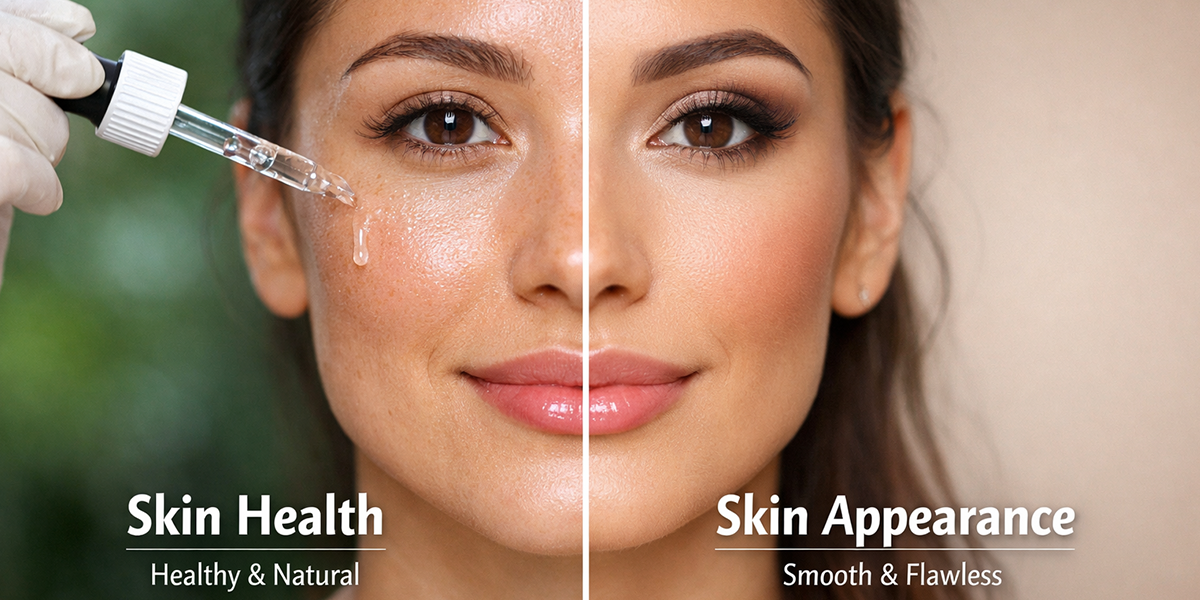
Essentials work quietly. You may not see dramatic overnight changes, but over months and years, they protect:
- Skin barrier function
- Hydration balance
- Elasticity
- Overall resilience
Specialty Products often focus on visible results — glow, smoothness, brightness. These can be satisfying and confidence-boosting, but they’re most effective when layered onto healthy skin.
From a long-term skin health perspective, essentials always win.
So, What Should You Prioritize?
If I had to simplify it into one honest rule, it would be this:
Master your essentials first. Add Specialty Products only when your skin actually asks for them.
Basic Skincare routine doesn’t need to be complicated to be effective. In fact, the most resilient, calm skin I’ve seen — and experienced — comes from routines that respect skin biology, not trends.
Once you understand this difference, you stop chasing products and start building skin health. And that shift changes everything — not just how your skin looks, but how confident you feel caring for it.
FAQS
1. What are skin care essentials, and why are they important?
Skin care essentials are the basic products needed to maintain healthy skin, including cleansers, moisturizers, and sunscreen. A consistent basic skincare routine helps protect the skin barrier and prevents common skin problems.
2. How are Specialty Products different from skin care essentials?
Skin care essentials support everyday skin health, while Specialty Products target specific concerns like pigmentation or aging. Understanding this difference helps build a balanced and effective essential skincare routine.
3. What is the best way to start skincare for beginners?
The best approach to skincare for beginners is starting with simple products such as cleanser, moisturizer, and sunscreen. Once the basics are established, additional products can be added gradually.
4. How often should you follow a skincare routine?
Consistency is important for maintaining healthy skin. Following an essential skincare routine with daily cleansing and moisturizing helps improve skin stability and long-term results.
5. Can Specialty Products replace skin care essentials?
Specialty Products cannot replace essential products because they target specific concerns rather than overall skin health. A strong foundation always begins with proper daily care.
6. Why is a simple skincare routine better for long-term skin health?
Simple routines reduce the risk of irritation and help maintain balance. A well-planned basic skincare routine supports natural skin function and improves long-term skin resilience.