Beyond the Basics: 5 Critical Cognitive Milestones for 3-Year-Olds
At age three, key cognitive milestones center on “Executive Function,” including the ability to follow three-step instructions, complete 4-piece puzzles, and engage in symbolic imaginative play. Children also begin to categorize objects by multiple traits (like shape and color) and develop a basic understanding of time sequences.
The “Mom-Scientist” Perspective
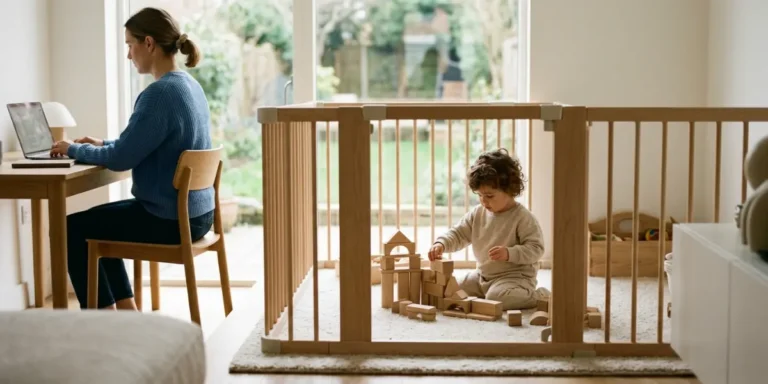
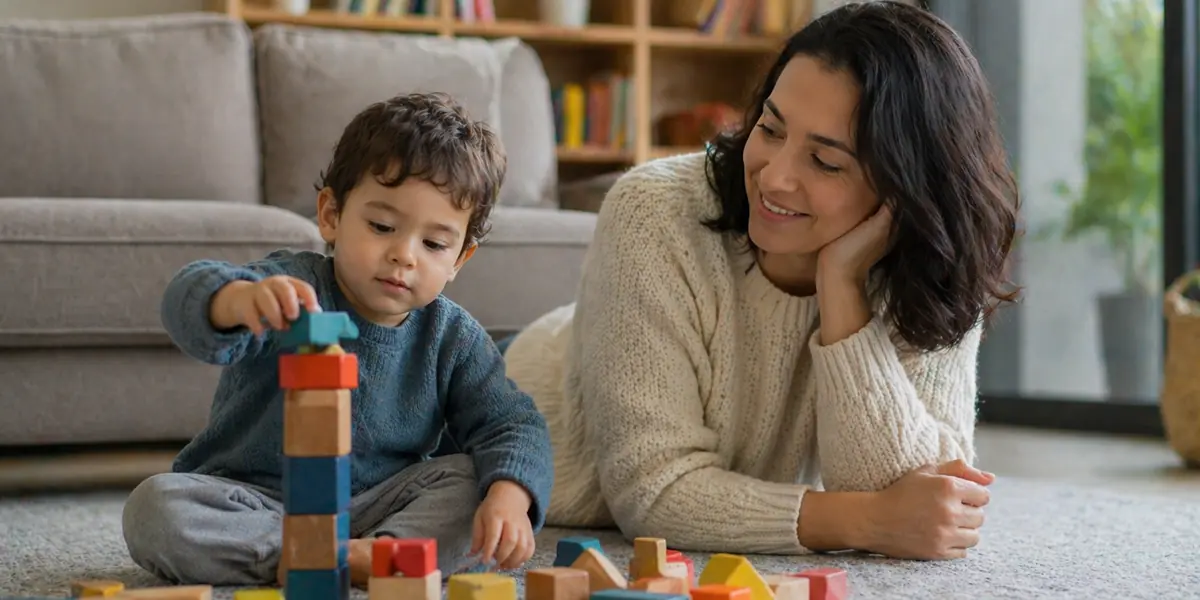
I remember watching my son play with a set of wooden blocks. For months, he just crashed them together. Then, almost overnight, he began sorting them by color, then by size, and finally, he used a rectangular block as a “phone” to call his grandmother.
As a digital strategist, I spend my day analyzing data patterns, but nothing is as fascinating as watching a three-year-old’s brain begin its own “data processing” revolution. This stage reflects cognitive development in early childhood, where simple play turns into purposeful learning.
This is the age of the executive function explosion. Think of your child’s brain as a busy airport; at age three, they are finally building the control tower. These early shifts are the foundation of strong cognitive skills development later in life.
Before the Milestones: A Gentle Truth
Before we dive into the milestones, let me share something I wish I had known earlier. A three-year-old’s brain is not a smaller version of a four-year-old’s brain. It is doing something entirely different.
It is learning how to organize thinking—how to hold one idea, then another, then connect them. This is the beautiful mental development of a child, and it does not happen smoothly. It happens in bursts, in stumbles, in sweet little moments of confusion followed by sudden clarity.

Think of your child as a young scientist running small experiments all day. The five milestones below are the quiet breakthroughs worth celebrating. They are not about being “ahead.” They are about being curious. And your child is already that.
1. Mastering the Three-Step Command
Early in the toddler years, “Put your shoes on” is a win. But at three, the brain’s working memory expands. You’ll notice they can now handle sequential logic: “Pick up your toy, put it in the basket, and wash your hands.”
Personal Note: I found that when my son struggled with this, it wasn’t defiance; it was often “buffer lag.” Giving the brain a few extra seconds to process the sequence makes all the difference.
This is one of the clearest examples of cognitive skills in children growing through daily routines.
2. Symbolic Play: The Gateway to Logic
When your child pretends a banana is a phone or a cardboard box is a spaceship, they are practicing symbolic representation. This is a high-level cognitive milestone. It’s the foundational skill required for later reading and math, where abstract marks on a page represent real-world concepts.
Play like this is a powerful sign of cognitive development in early childhood because imagination teaches reasoning.
3. Dual-Attribute Sorting
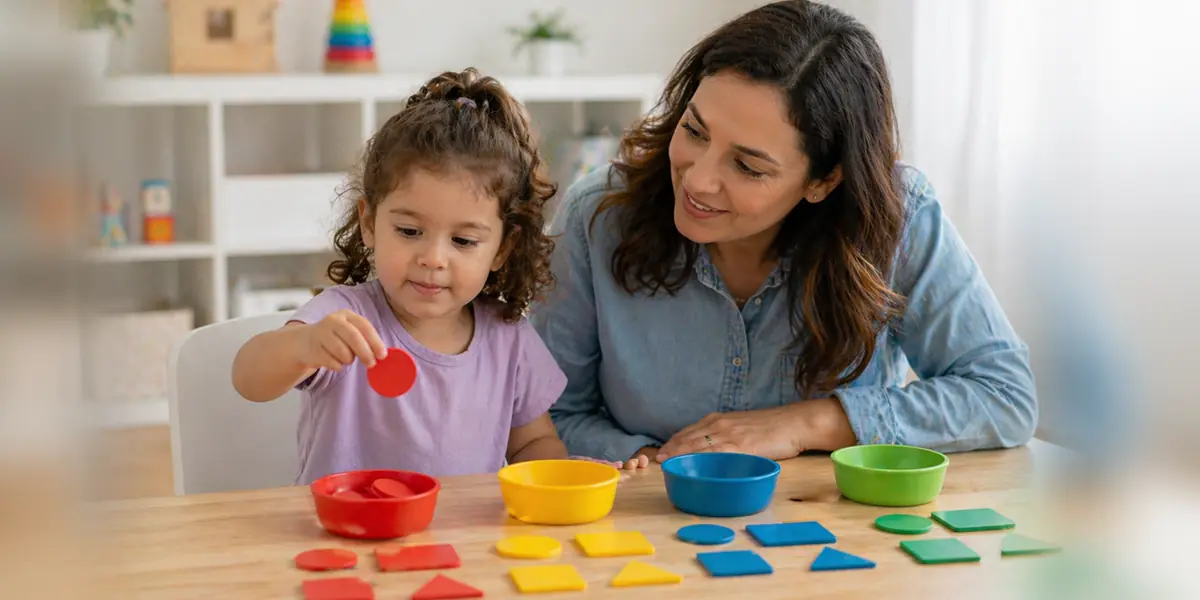
A major leap in the prefrontal cortex allows a three-year-old to be categorized by two traits. If you ask them to find “the big red circles,” they aren’t just looking for “red”—they are filtering for size, color, and shape simultaneously. This is the birth of complex problem-solving and advanced cognitive skills development.
4. Theory of Mind: The Birth of Empathy
This is perhaps my favorite milestone. At three, children begin to realize that you might have different thoughts from theirs. They start to understand that if they hide a toy, you might not know where it is. This is the cognitive root of empathy and social cooperation.
5. The Concept of Time (Sequence Logic)
While a clock means nothing to them, the sequence of the day means everything. They understand “Before we go to the park, we must finish lunch.” This logic helps reduce tantrums because the world starts to feel predictable.
This growing awareness is another part of the healthy mental development of a child and helps children feel secure.
While these brain shifts are universal, they are put to the ultimate test in a structured classroom. If your child is struggling with a new school routine, check out our [New Session Survival Guide] for practical tips on managing this transition.