
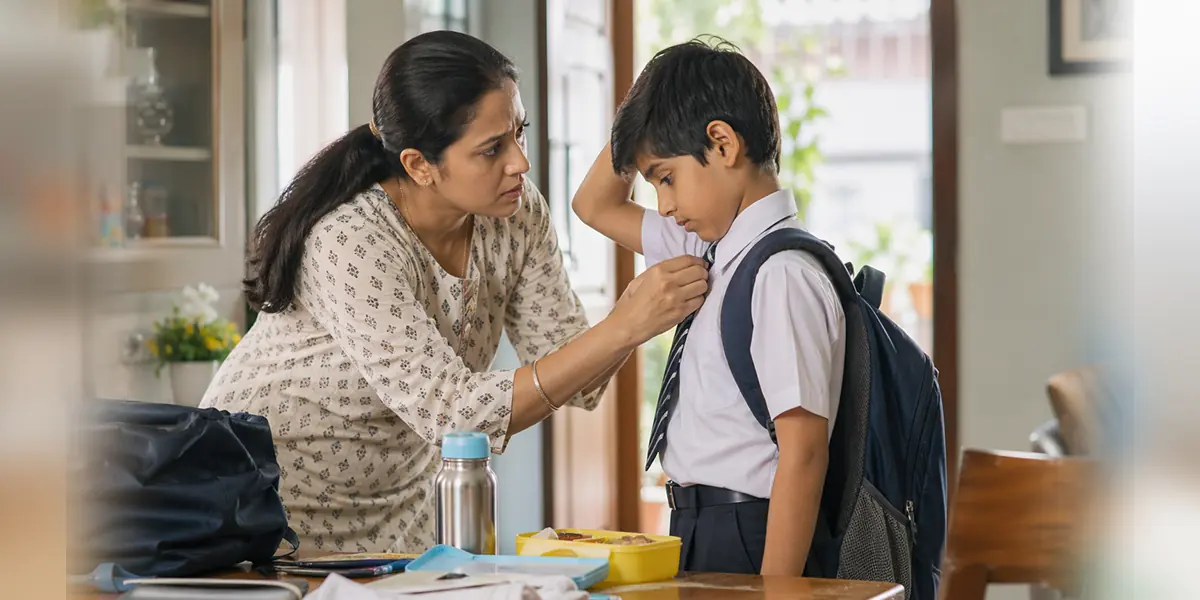
The New Session Shift: A Tactical Survival Guide for the First Week of School
To successfully navigate the new school session, implement a “3-2-1” morning routine (3 days prep, 2-minute connection, 1 small choice), prioritize “heat-proof” tiffins like stuffed parathas or suji cheela to withstand 40°C+ temperatures, and treat “After-School Restraint Collapse” with low-sensory rest. Focus on hydration and emotional regulation rather than academic performance during the first 10 days of April.
The “Professional-Parent” Perspective: Systems vs. Reality
In the digital marketing world, we live by SOPs (Standard Operating Procedures). Whether it’s a 22-year legacy brand or a fresh startup, success is about “system integration.” But as a mother navigating the North Indian school cycle, I have learned that no amount of professional logistics can fully prepare you for the chaotic energy of a new April session.
I remember my son’s first “Day 1.” I had everything mapped out—labels on every pencil, a crisp uniform, and a pre-packed bag. By 2:30 PM, he returned with a missing water bottle, a half-eaten tiffin, and a level of heat exhaustion that only an Indian summer can produce.
That day taught me that the first week of school isn’t a test of intelligence; it’s a test of endurance and nervous system regulation, with many factors influencing learning during transitions.
This is the age of the executive function explosion. Think of your child’s brain as a busy airport; at age three, they are finally building the control tower. These early shifts are the foundation of strong cognitive skills development later in life.
1. The “Heat-Proof” Tiffin Matrix
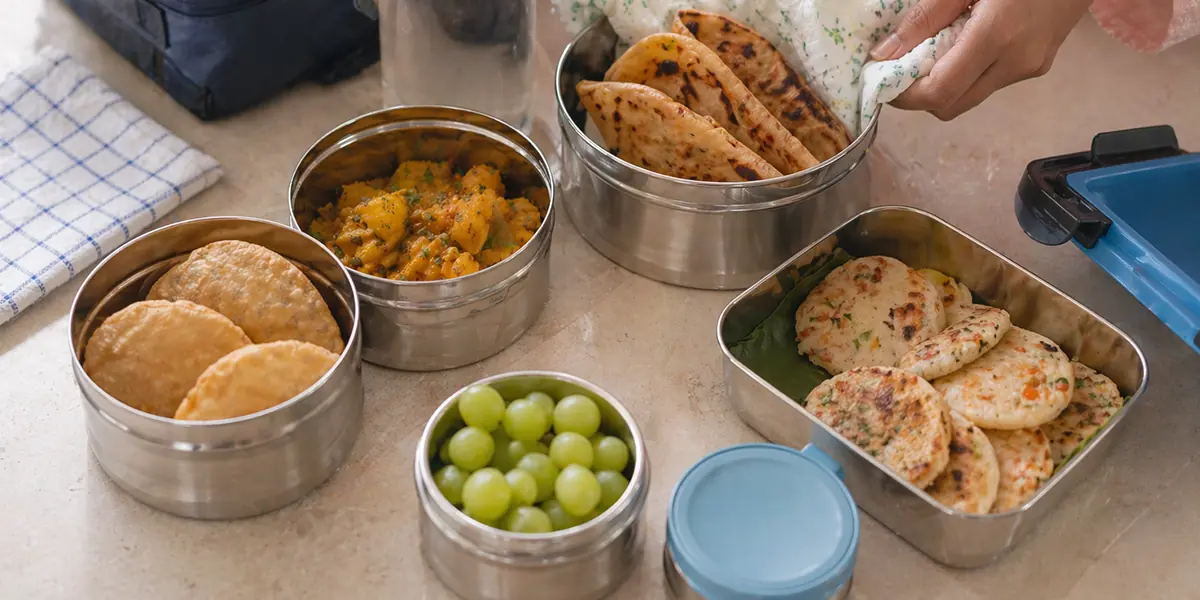
In April, the Indian sun is unforgiving. By 11:30 AM, most school bags have been sitting in classrooms (or hallways) where temperatures can soar. A soggy sandwich or a dairy-based curry isn’t just unappetizing—it can be a health risk.
The Strategy: Focus on “dry & dense” foods that hold their structural integrity in 40°C heat. Good food habits are part of life skills activities for kindergarten, helping children learn independence and healthy choices early.
| The “Avoid” List (Heat Risk) | The “Survive” List (Heat Safe) | The “Pro” Secret |
|---|---|---|
| Mayonnaise/Bread: Sogginess is guaranteed. | Stuffed Paratha: Aloo, Gobi, or Paneer with Ajwain. | Wrap in a damp muslin cloth first. |
| Creamy Pasta: Becomes a sticky mess. | Suji Uttapam/Cheela: Stays soft and easy to bite. | Include a small “cold-pack” (frozen grapes). |
| Liquid Curries: High leak and spoilage risk. | Dry Sabzi & Poori: Traditional, safe, and filling. | A stainless steel insulated tiffin is non-negotiable. |
2. Decoding “After-School Restraint Collapse”
If your child is an “angel” for their teacher but becomes a “terror” the moment they step into your car or house, you are experiencing after-school restraint collapse. In our school system, children are expected to follow rigid rules for 6+ hours. They sit still, they queue up, they manage social hierarchies.
By the time they see you—their “Safe Person”—the emotional dam breaks. They have used up all their “executive function” (see our [Global Track A post] on this), and they simply have nothing left. This emotional release is part of the children’s learning process, where young minds adapt to structure and social demands.
The Tactical Fix:
- The “No-Question” Zone: Avoid asking “How was your day?” or “What did you learn?” for at least 30 minutes.
- Sensory Reset: A cool bath, a darkened room, and a glass of Aam Panna or Sattu can do more for their behavior than a lecture ever will.
3. The 3-2-1 Morning Strategy
To avoid the “Morning Shouting Match,” we treat the start of the session like a phased launch:
- 3 Days Early: Start shifting the bedtime 15 minutes earlier, three days before the session begins.
- 2-Minute Connection: Give them 2 minutes of undivided cuddle time or conversation before you start the “Get Ready” commands. This “fills their cup” so they can handle the stress of school.
- 1 Small Choice: Let them pick their socks, their tiffin fruit, or the route you take to school. Small autonomy reduces large-scale resistance.
This simple routine reflects the playway method of teaching, where gentle choices and engagement reduce resistance while making routines easier.
4. The “Jargon” of 2026 Admissions
With the shift toward New Education Policy (NEP) standards, you’ll hear terms like “Holistic Progress Cards” or “Skill-Based Assessment.”
My Professional Advice: Don’t get overwhelmed by the terminology. At the heart of every Indian school board—whether it’s CBSE, ICSE, or IB—the first week is about social stamina. If your child makes one new friend and knows where the washroom is, the week is a success.
5. Tradition vs. Logic: The Summer Cold

We often worry about the “Evil Eye” (Nazar) when a child falls sick in the first week. While we respect our traditions, we always combine them with logic. Most “first week colds” in India are caused by the AC-to-Heat Transition. Moving from a chilly bus to a hot playground creates physical stress.
The Logic Fix: Ensure they drink room-temperature water rather than ice-cold water immediately after coming home.
Conclusion: Setting the Pace for the Year
The first week of the new session sets the tone, but it doesn’t define the child’s academic future. If they lose a pencil or forget their notebook, let it go.
We are building a long-term “User Experience” here. If the first week feels like a battle, they will dread the next 200 days. If the first week feels like a supported transition, they will thrive.
These early adjustments also support cognitive development in early childhood by helping children feel secure, adaptable, and ready to learn.
The Authority Handshake: Is your child’s emotional response to the new session surprising you? It’s often linked to their current [Cognitive Milestones]. When you understand the brain science, the behavior becomes a lot easier to manage.