Montessori at Home: Setting up a “Yes Space”
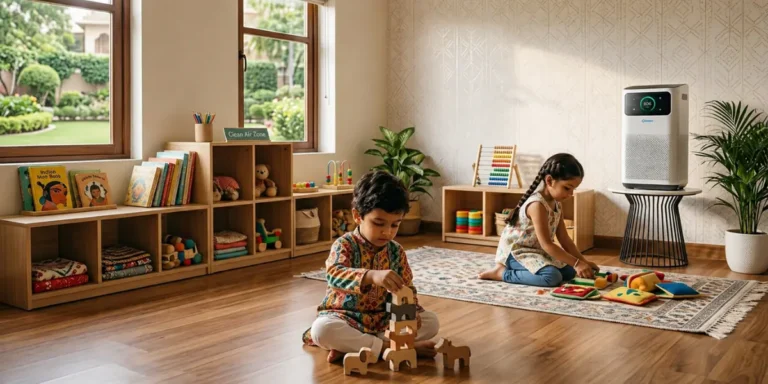
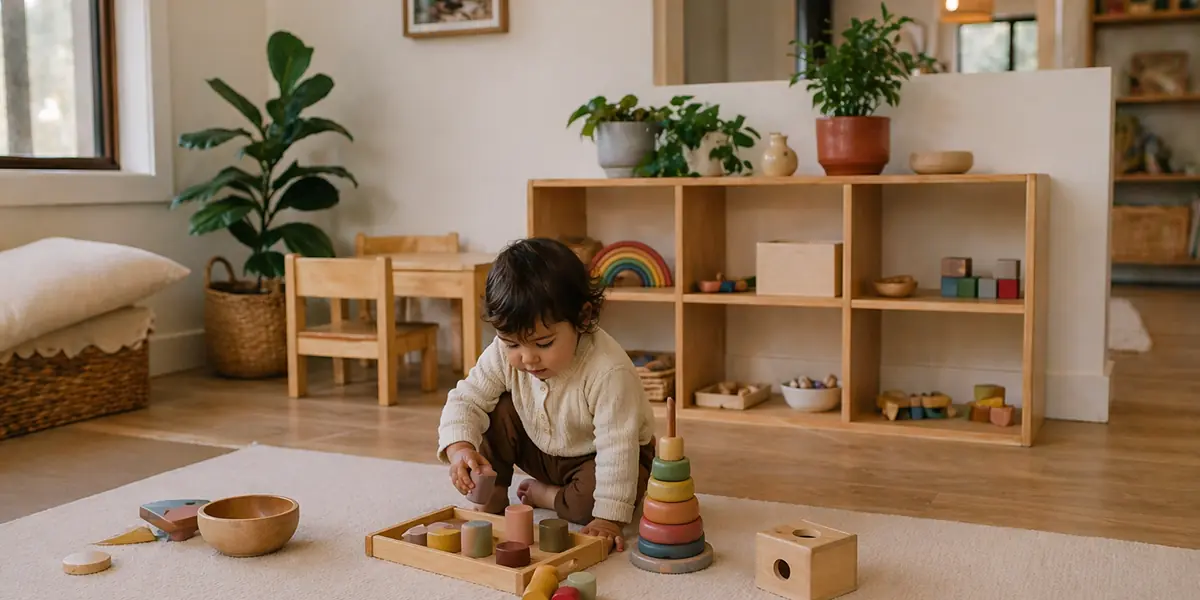
A “Yes Space” is a 100% child-proofed area designed for independent exploration. To set one up, remove all “No” triggers (fragile items, safety hazards), use floor-level shelving to keep toys accessible, anchor heavy furniture, and rotate a small selection of open-ended toys. This environment fosters executive function by allowing children to follow their natural curiosity without constant adult correction, leading to deeper focus and reduced tantrums. It is one of the key benefits of Montessori education.
In 18 years of being in the digital profession and running a business, I’ve obsessed over UX (user experience). If a user lands on a website and can’t find the “Buy” button, or if the navigation is too high for them to reach, they leave. We call that a high bounce rate.
When I brought this mindset into my home, I realized that most houses have a “terrible UX” for children. The light switches are too high, the water is out of reach, and almost everything they touch results in a “No! Don’t touch that!”
In Montessori philosophy, we counter this with a “Yes Space.” Think of it as a perfectly optimized “user interface” where every element is designed for the child’s success.
It reflects the principles of montessori method by creating order, independence, and confidence. It is a dedicated zone where the answer is always “Yes.”
1. The Psychology: Why “No” is a Productivity Killer
When a child is constantly told “No,” their brain stays in a state of high alert (the sympathetic nervous system). This kills deep play. If they are always looking over their shoulder to see if Mom is going to stop them, they never hit that “flow state” where real cognitive growth happens.
By creating a “Yes Space,” you are effectively giving them a “Sandbox” (to use a tech term). Within these boundaries, they are the CEO. They decide what to build, how to move, and when to stop.
This builds self-regulation—the ultimate professional skill and one of the major benefits of Montessori education.
2. Building the Infrastructure: The Safety Audit
A “Yes Space” is only a “Yes Space” if you can leave the room for five minutes and know with 100% certainty your child is safe.
- Anchor Everything: In the agency world, we “backup” our data. In a yes space, we back up our furniture. Every shelf must be bolted to the wall.
- Outlet Overhaul: Use flat-profile outlet covers.
- The “Crawl” Test: Get down on your hands and knees. Look at the room from their eye level. Is there a dangling wire? A sharp corner? A stray coin? If you see it, it’s a “No” trigger—remove it.
This safety-first setup is central to a prepared environment Montessori approach.
3. The “Minimalist UI”: Toy Rotation
A common mistake is overcrowding the space. If a website has 50 pop-up ads, the user gets overwhelmed and closes the tab. The same happens with toys.
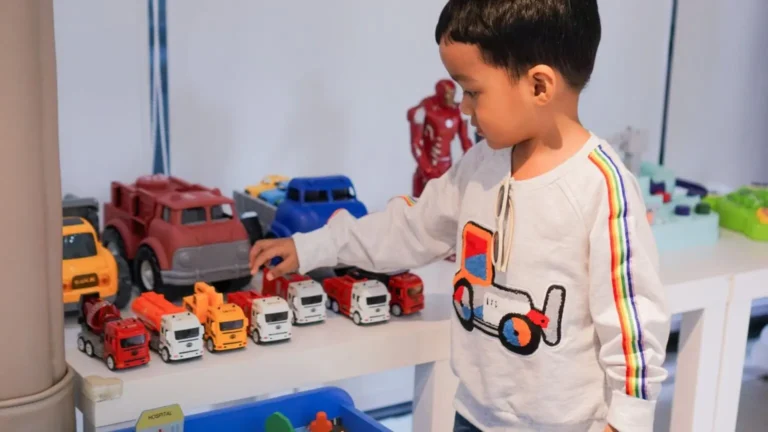
- The Rule of 6: Only have 6 to 8 activities visible at a time.
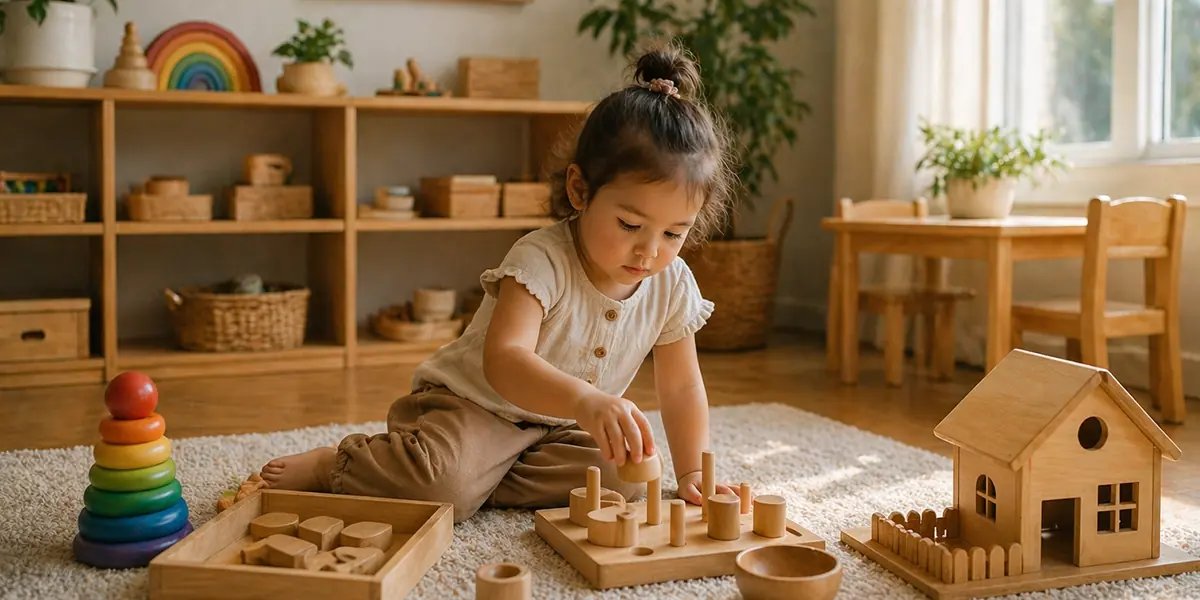
- Open-Ended over Electronic: Choose blocks, silks, or puzzles over toys that beep and flash. We want the child to be the one providing the “power” to the toy, not a battery.This follows the principles of montessori method, where simple materials encourage imagination and concentration.
4. Accessibility: Lowering the “Active Height.”
If you want your child to be independent, you have to lower the bar.
- Low Shelves: Use open shelves where they can see and reach everything.
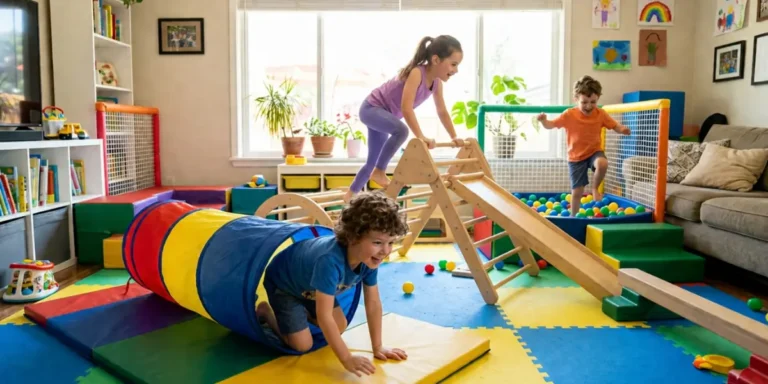
- Floor Bed/Mats: A space where they can move freely without falling off a high chair or sofa.
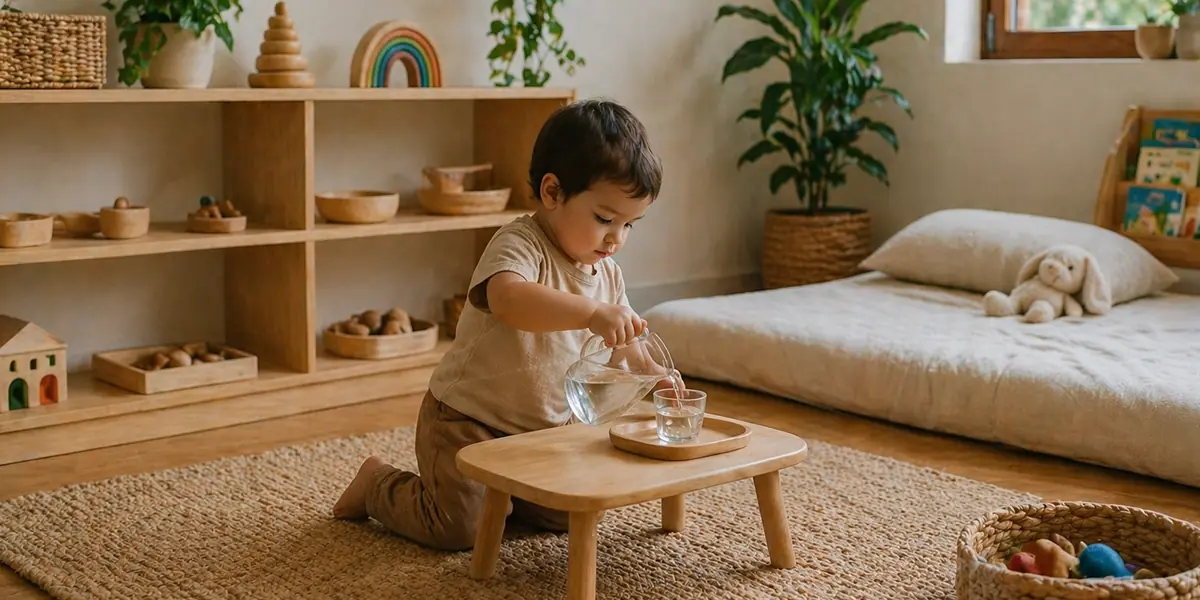
- Self-Serve Water: A small jug and cup on a low table allow them to handle their own thirst—a massive boost to their confidence.These ideas support different Montessori age groups, especially toddlers who are learning movement and independence.
The Handshake: Why “Yes” at Home Leads to Success Away
When a child spends their morning in a Yes Space, they arrive at school or a social event with their “Regulation Tank” full. They have had hours of autonomy, so they are much more willing to follow someone else’s rules later.
This reflects the 4 planes of development montessori because independence at home supports growth in every later stage.
To see how this confidence plays out in the real world, check out our guide on [Kid-Friendly Weekend Getaways] to test their new skills in a new environment.